

Best AI Tools for Customer Support Automation

Introduction
Customer support automation refers to the use of artificial intelligence systems that can manage, streamline, and optimize customer interactions across channels such as chat, email, social messaging apps, and helpdesks. As e-commerce continues to scale globally, customer support has become one of the most resource-intensive operations for online sellers.
Customer support automation delivers its strongest results when connected with the systems that influence customer expectations before, during, and after purchase. For example, many repetitive inquiries disappear altogether when support tools integrate with the operational workflows described in Best AI Tools for E-commerce Store Automation, ensuring that order updates and routine tasks happen without manual intervention. Customer communication becomes even more effective when combined with the messaging flows in Best AI Tools for E-commerce Email Marketing, allowing automated responses to feel personalized and timely. You can also enhance the precision of support replies by layering in the behavioral intelligence found in Best AI Tools for E-commerce Personalization, enabling support systems to tailor solutions based on user history. Additionally, seamless order resolutions become easier when support tools align with the fulfillment logic outlined in Best AI Tools for E-commerce Order Fulfillment, reducing unnecessary back-and-forth. Preventing bad experiences before they happen is also possible when customer support systems connect with fraud detection insights from Best AI Tools for E-commerce Fraud Prevention. This integrated foundation transforms support from a reactive function into a proactive growth engine that strengthens trust and retention.
Modern e-commerce stores face several key challenges in customer service, including:
• High volume of repetitive queries such as order status, returns, and delivery timelines
• Rising customer expectations for instant resolution
• Need to support multiple channels such as WhatsApp, Instagram, email, and live chat
• Difficulty in maintaining consistent quality across large teams
• High cost of 24/7 human staffing
AI tools address these challenges by automating up to 70–80% of incoming conversations, ensuring faster responses, lowering operational costs, and improving customer satisfaction. They can understand customer intent, suggest replies, generate personalized messages, take actions like modifying orders, and escalate complex issues to human agents.
This list covers the 25 best AI tools that help e-commerce brands automate customer support efficiently.
TOOL 1 — Zendesk AI
Overview
Zendesk AI enhances support workflows through intelligent ticket routing, automated replies, sentiment detection, and AI-powered self-service. Ideal for businesses upgrading their existing Zendesk ecosystem.
Best For
Mid-size to enterprise e-commerce brands using Zendesk.
Key Features
• AI-triggered automated workflows
• Intent + sentiment detection
• Macros and auto-suggested responses
• AI-powered Knowledge Base suggestions
Use Cases
• Auto-sorting high-volume support tickets
• Generating responses for repetitive issues
• Reducing average handling time with AI suggestions
Pricing
General tiered pricing based on usage and automation level.
Pros
• Enterprise-grade automation
• Strong integrations
Cons
• Best value only for companies already using Zendesk
Alternatives
• Freshdesk AI
• Help Scout AI
TOOL 2 — Intercom Fin
Overview
Fin is Intercom’s advanced AI agent capable of resolving most customer questions using your existing help content with high accuracy.
Best For
SaaS and e-commerce companies wanting natural conversational AI.
Key Features
• Conversational AI trained on your content
• Auto-generated answers
• Escalation to human agents
• Works across chat, email, and social channels
Use Cases
• 24/7 automated live chat
• Reducing load on human agents
• Fast multilingual support
Pricing
Usage-based pricing depending on automated resolution volumes.
Pros
• Extremely accurate AI answers
• Easy training workflow
Cons
• Requires solid documentation for best performance
Alternatives
• Ada
• Ultimate
TOOL 3 — Freshdesk AI (Freddy)
Overview
Freddy AI assists with automated ticket categorization, reply suggestions, decision workflows, and chatbot experiences.
Best For
Small to mid-size e-commerce stores.
Key Features
• AI chatbot builder
• Auto-ticket classification
• Predictive response suggestions
• Customer sentiment analysis
Use Cases
• Handling repetitive queries
• Improving agent efficiency
• Automating support workflows
Pricing
Included in premium Freshdesk plans with additional AI usage tiers.
Pros
• Very easy to set up
• High value for smaller teams
Cons
• Less sophisticated than enterprise-grade AI solutions
Alternatives
• Zoho Desk Zia
• HelpWise AI
TOOL 4 — Gorgias Automations

Overview
Gorgias is built specifically for e-commerce stores and offers powerful automation flows for order management and customer service.
Best For
Shopify, BigCommerce, and Magento stores.
Key Features
• AI macros for quick replies
• Automated order updates
• Smart tag routing
• E-commerce-specific actions
Use Cases
• Automating “Where is my order?” queries
• Handling refunds and cancellations
• Multi-channel support automation
Pricing
Volume-based plans that scale with ticket count.
Pros
• Purpose-built for e-commerce
• Strong integrations with Shopify
Cons
• Focused solely on e-commerce use cases
Alternatives
• Re:amaze
• Richpanel
TOOL 5 — Ada
Overview
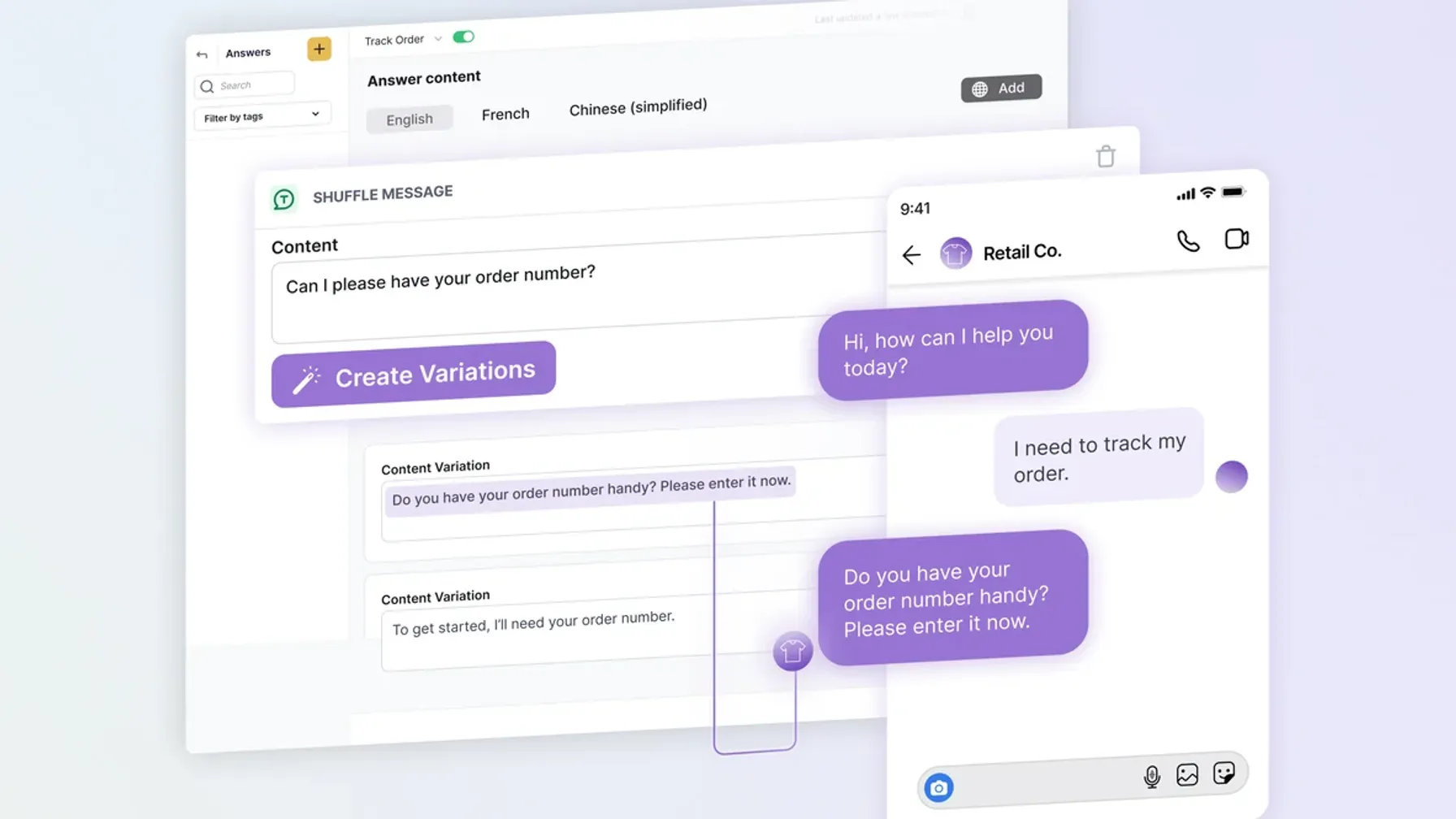
Ada is a fully automated AI agent that enables large brands to build advanced, no-code workflows and conversational AI.
Best For
Large e-commerce enterprises and global brands.
Key Features
• Context-aware AI chatbot
• Automated workflows
• Personalized responses
• Enterprise-level training and analytics
Use Cases
• Reducing global support costs
• Providing consistent quality across regions
• Handling millions of interactions monthly
Pricing
Custom enterprise pricing based on automation scale.
Pros
• Extremely scalable
• High customization
Cons
• Expensive for small brands
Alternatives
• Ultimate AI
• Yellow.ai
TOOL 6 — Tidio Lyro
Overview
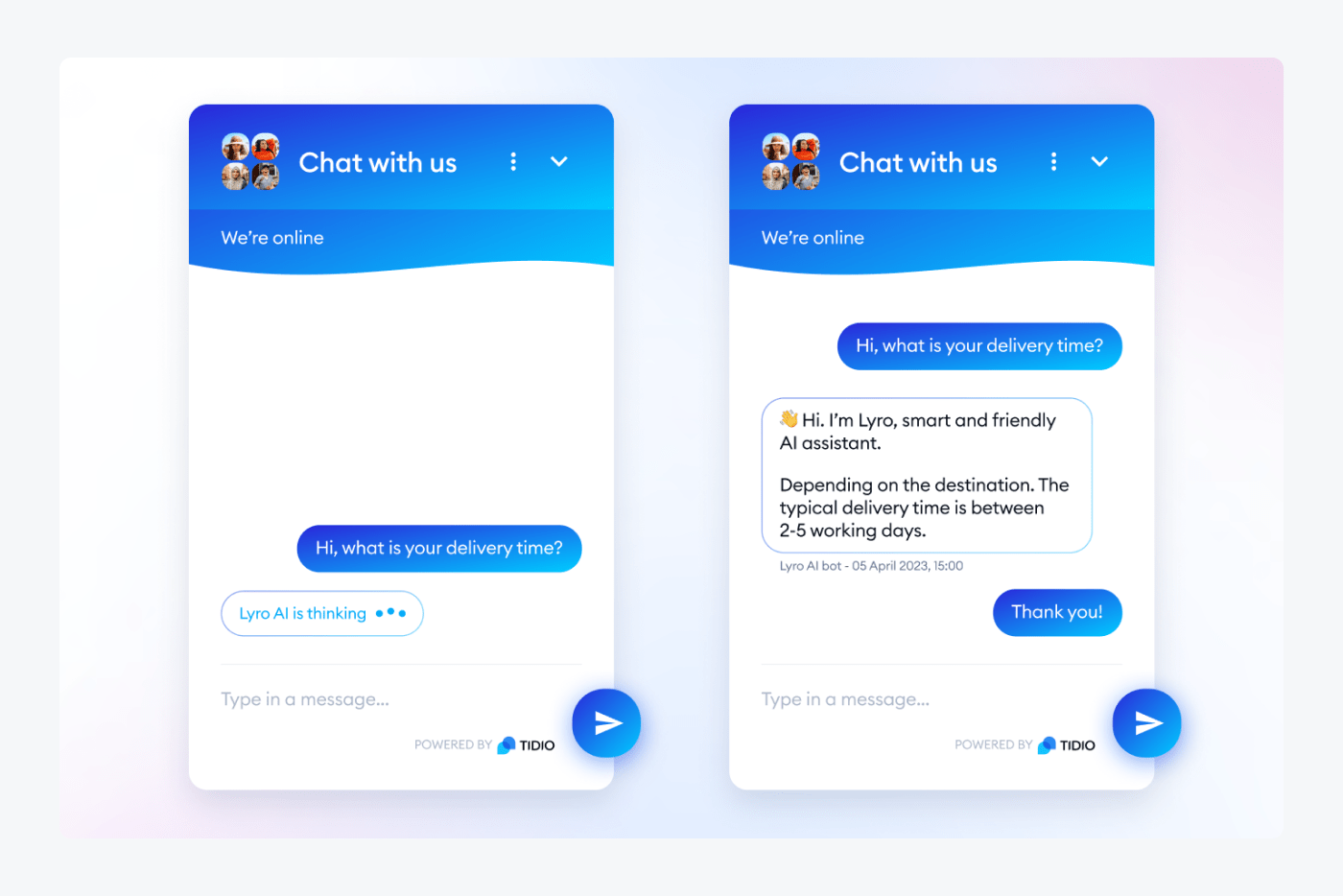
Lyro is Tidio’s conversational AI engine designed to automate customer support using your stored knowledge.
Best For
Small businesses, D2C brands, and new Shopify stores.
Key Features
• Conversational answering
• Auto-learning FAQ bot
• Easy knowledge upload
• Human handoff
Use Cases
• Automating FAQ responses
• Assisting during peak store hours
• Managing chat flows without agents
Pricing
Affordable plans with usage-based AI add-ons.
Pros
• Very simple setup
• Great for beginners
Cons
• Less flexible for enterprise needs
Alternatives
• Crisp AI
• Chatfuel AI
TOOL 7 — Crisp AI
Overview
Crisp AI enhances customer messaging with automated replies, multi-channel communication, and knowledge-based conversations.
Best For
Small to mid-size online stores.
Key Features
• AI-powered chat responses
• Shared inbox
• Automated workflows
• Multi-channel messaging
Use Cases
• Handling common customer questions
• Managing social DMs
• Automating live chat for 24/7 coverage
Pricing
Modular pricing depending on automation features added.
Pros
• Unified messaging
• Cost-effective
Cons
• Requires content setup for best accuracy
Alternatives
• Tidio
• HelpWise AI
TOOL 8 — Help Scout AI
Overview
Help Scout AI enhances email-based customer support through AI-powered suggestions, auto-tagging, and intelligent categorization. It strengthens human-agent workflows by reducing manual workload.
Best For
E-commerce brands focused heavily on email support.
Key Features
• AI-generated reply suggestions
• Smart tagging and organization
• Automated workflows
• Insight analytics
Use Cases
• Improving email response times
• Organizing large volumes of inquiries
• Maintaining consistent tone and quality
Pricing
Included in higher Help Scout plans with optional AI usage tiers.
Pros
• Excellent for email-heavy teams
• Streamlined support operations
Cons
• Not as strong in chat automation as competitors
Alternatives
• Zendesk AI
• Freshdesk AI
TOOL 9 — Zoho Desk Zia

Overview
Zia is Zoho Desk’s AI engine offering predictive assistance, automatic classification, and customer sentiment detection.
Best For
Small to medium online stores needing affordable AI automation.
Key Features
• Smart ticket assignment
• Sentiment analysis
• AI-suggested replies
• Automated knowledge recommendations
Use Cases
• Auto-sorting inbound tickets
• Prioritizing customer complaints
• Speeding up agent workflows
Pricing
Available in upper-tier Zoho Desk subscriptions.
Pros
• Very cost-effective
• Strong automation foundation
Cons
• Less advanced NLP than premium platforms
Alternatives
• Freshdesk Freddy
• HelpWise AI
TOOL 10 — Kustomer AI
Overview
Kustomer AI centralizes customer conversations and automates interactions across social channels, email, and chat with contextual understanding.
Best For
High-growth D2C brands and enterprise e-commerce.
Key Features
• AI insights and predictions
• Smart routing
• Full customer timeline
• Automated actions
Use Cases
• Managing high-volume omnichannel conversations
• Identifying customer intent
• Driving faster resolutions with conversation context
Pricing
Usage-based pricing tailored for larger support teams.
Pros
• Strong omnichannel view
• Highly scalable
Cons
• Complex implementation for smaller brands
Alternatives
• Zendesk AI
• Intercom Fin
TOOL 11 — LiveChat AI

Overview
LiveChat AI automates chat-based support using personalized responses, knowledge-based answers, and hybrid human-AI workflows.
Best For
Small to mid-size e-commerce businesses with chat-driven support.
Key Features
• AI-answer engine
• Pre-built chat workflows
• Multichannel messaging
• Team collaboration tools
Use Cases
• Handling chat spikes
• Instant FAQ responses
• Supporting small teams with limited agents
Pricing
Plan-based structure with AI add-ons.
Pros
• Easy to manage
• Works well with human support teams
Cons
• Limited deep automation features
Alternatives
• Tidio Lyro
• Crisp AI
TOOL 12 — Re:amaze


Overview
Re:amaze offers e-commerce–focused automation with chatbots, workflows, and multi-channel support integrated directly with store operations.
Best For
Shopify, BigCommerce, and D2C brands.
Key Features
• Automated workflows
• Rule-based + AI chatbots
• Unified inbox
• Order-based actions
Use Cases
• Handling order questions automatically
• Supporting customers across chat, email, IG, FB
• Reducing manual workload for small teams
Pricing
Tiered based on features and agents.
Pros
• Strong e-commerce integrations
• User-friendly automation designer
Cons
• Lacks enterprise-grade AI depth
Alternatives
• Gorgias
• Richpanel
TOOL 13 — Richpanel
Overview
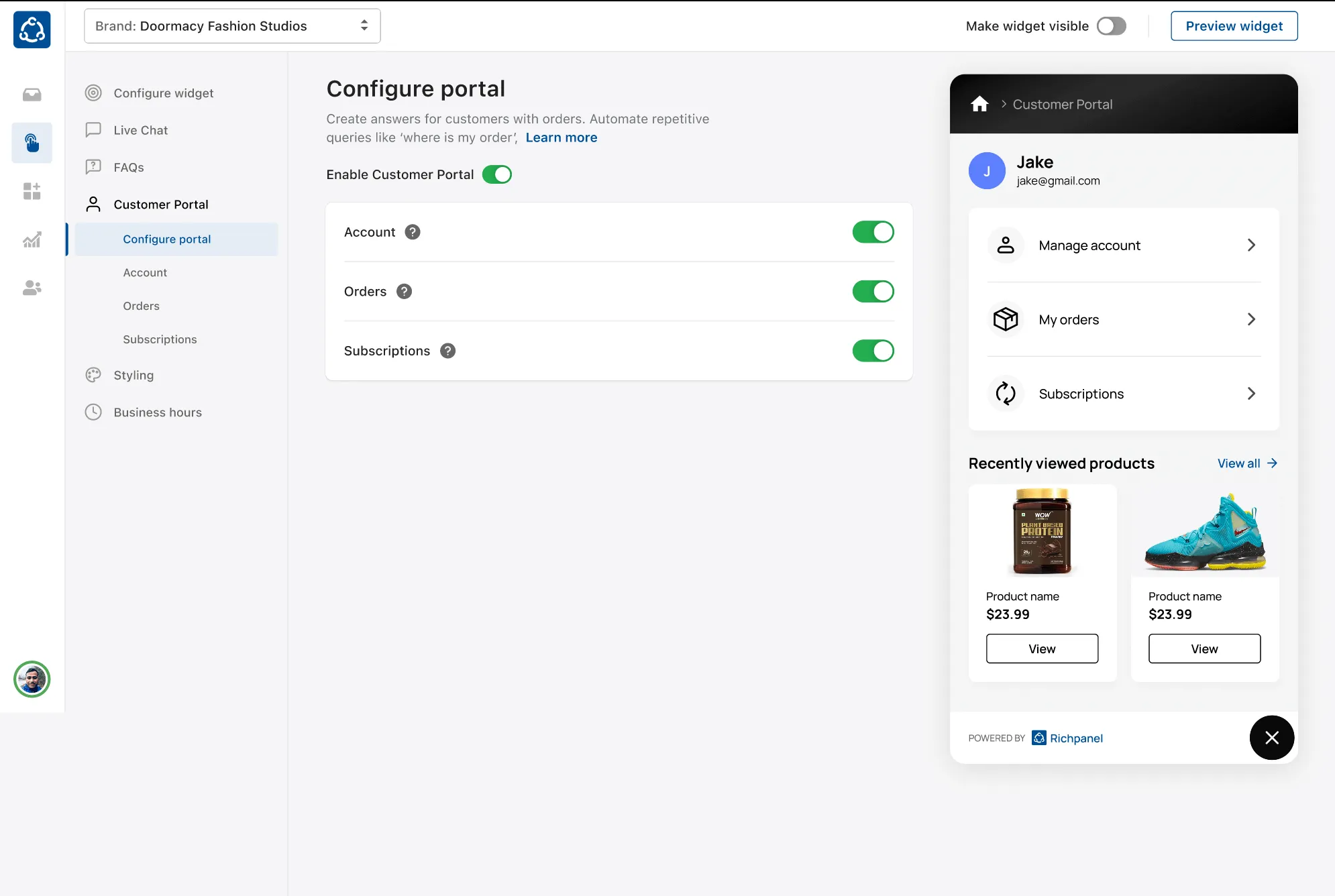
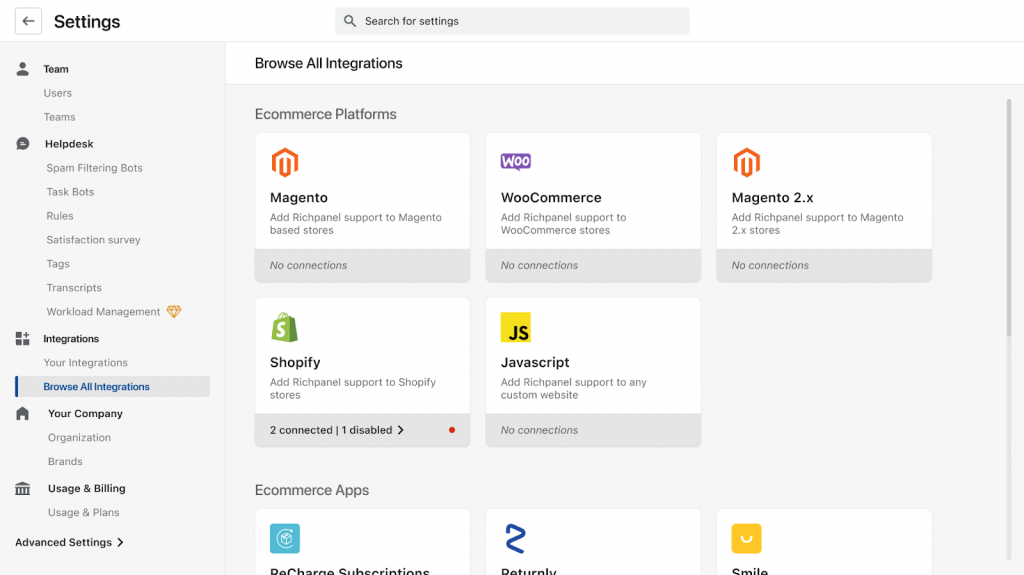
Richpanel lets brands create automated self-service portals that resolve many issues without agent involvement.
Best For
D2C stores aiming to reduce ticket volume drastically.
Key Features
• Self-service workflows
• Order management automation
• Multichannel support
• AI recommendations
Use Cases
• Automating returns, cancellations, exchanges
• Handling “Where is my order?” without agents
• Reducing support team dependency
Pricing
Plan-based pricing depending on order volume.
Pros
• Can reduce tickets by up to 50–60%
• Strong Shopify integration
Cons
• Not ideal if you prefer live chat automation only
Alternatives
• Gorgias
• Re:amaze
TOOL 14 — Ultimate AI

Overview
Ultimate AI focuses on enterprise-grade automation across chat, email, and social platforms with deep NLP and custom workflows.
Best For
Mid-size to enterprise e-commerce brands.
Key Features
• Multilingual AI chatbots
• Automated email replies
• Workflow builder
• Human escalation logic
Use Cases
• Offloading repetitive tickets
• Global support optimization
• Maintaining quality at scale
Pricing
Custom plans based on automation depth.
Pros
• Enterprise-ready
• Accurate multilingual support
Cons
• Setup requires time and effort
Alternatives
• Ada
• Yellow.ai
TOOL 15 — Yellow.ai

Overview
Yellow.ai is an enterprise conversational AI platform combining voice bots, chatbots, and workflow automation to deliver high-volume customer support.
Best For
Enterprises and high-traffic e-commerce companies needing omnichannel automation.
Key Features
• AI voice & chat bots
• Workflow automation builder
• Multilingual conversational intelligence
• CRM and commerce integrations
Use Cases
• Automating voice-based support
• Handling complex customer journeys
• Scaling global operations
Pricing
Custom enterprise pricing based on usage and channels.
Pros
• Voice + chat automation
• Highly scalable
Cons
• Not well-suited for small stores
Alternatives
• Ada
• Ultimate AI
TOOL 16 — Forethought

Overview
Forethought uses deep reasoning and predictive intelligence to automate resolutions, recommend agent responses, and enhance ticket routing.
Best For
Enterprise brands requiring sophisticated AI decision-making.
Key Features
• AI-powered self-service
• Agent-assist recommendations
• Automated ticket triage
• High-accuracy intent detection
Use Cases
• Reducing resolution times for complex requests
• Supporting large teams
• Enhancing helpdesk workflows with predictive insights
Pricing
Custom AI-driven pricing for enterprise teams.
Pros
• High-level automation precision
• Strong predictive modeling
Cons
• Premium-priced solution
Alternatives
• Kustomer AI
• Intercom Fin
TOOL 17 — Gladly AI

Overview
Gladly AI focuses on conversation-first support, allowing brands to manage customers as people rather than tickets. AI powers automation, routing, and support suggestions.
Best For
Lifestyle, D2C, and subscription-based e-commerce brands.
Key Features
• AI conversation routing
• Single customer view
• Automated replies
• Self-service flows
Use Cases
• Enhancing customer relationships
• Creating personalized support experiences
• Reducing operational costs
Pricing
Plan-based pricing depending on team size.
Pros
• Customer-centric approach
• Strong personalization features
Cons
• Less automation depth than enterprise AI systems
Alternatives
• Kustomer
• Richpanel
TOOL 18 — Botpress AI
Overview
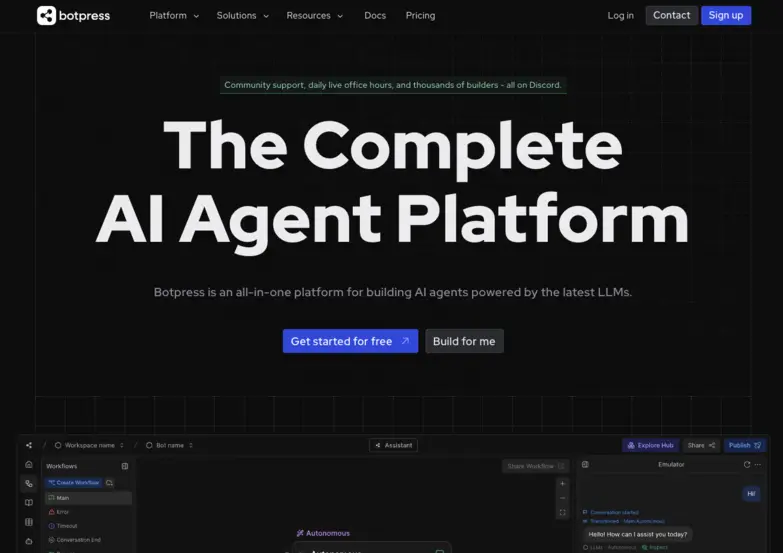
Botpress is a developer-friendly AI automation platform offering customizable bots built with strong NLP capabilities.
Best For
Tech-savvy e-commerce teams needing fully tailored automation.
Key Features
• Conversational AI agents
• Workflow builder
• Knowledge ingestion
• Custom integrations via APIs
Use Cases
• Creating custom support bots
• Automating unique workflows
• Integrating AI directly into store systems
Pricing
Flexible usage-based pricing.
Pros
• Highly customizable
• Developer-friendly
Cons
• Requires technical skills
Alternatives
• Rasa
• Chatbot.com
TOOL 19 — Rasa
Overview
Rasa is an open-source conversational AI framework ideal for brands wanting full control over automation logic, privacy, and data.
Best For
Enterprises requiring custom, private, self-hosted automation.
Key Features
• Open-source NLP
• Fully customizable workflows
• On-premise deployment
• Multi-channel support
Use Cases
• Building secure custom bots
• Managing sensitive customer data
• Complex automation across enterprise systems
Pricing
Open-source base, with optional enterprise support.
Pros
• Maximum flexibility
• Strong community and extensibility
Cons
• High technical setup requirement
Alternatives
• Botpress
• Yellow.ai
TOOL 20 — HelpWise AI
Overview
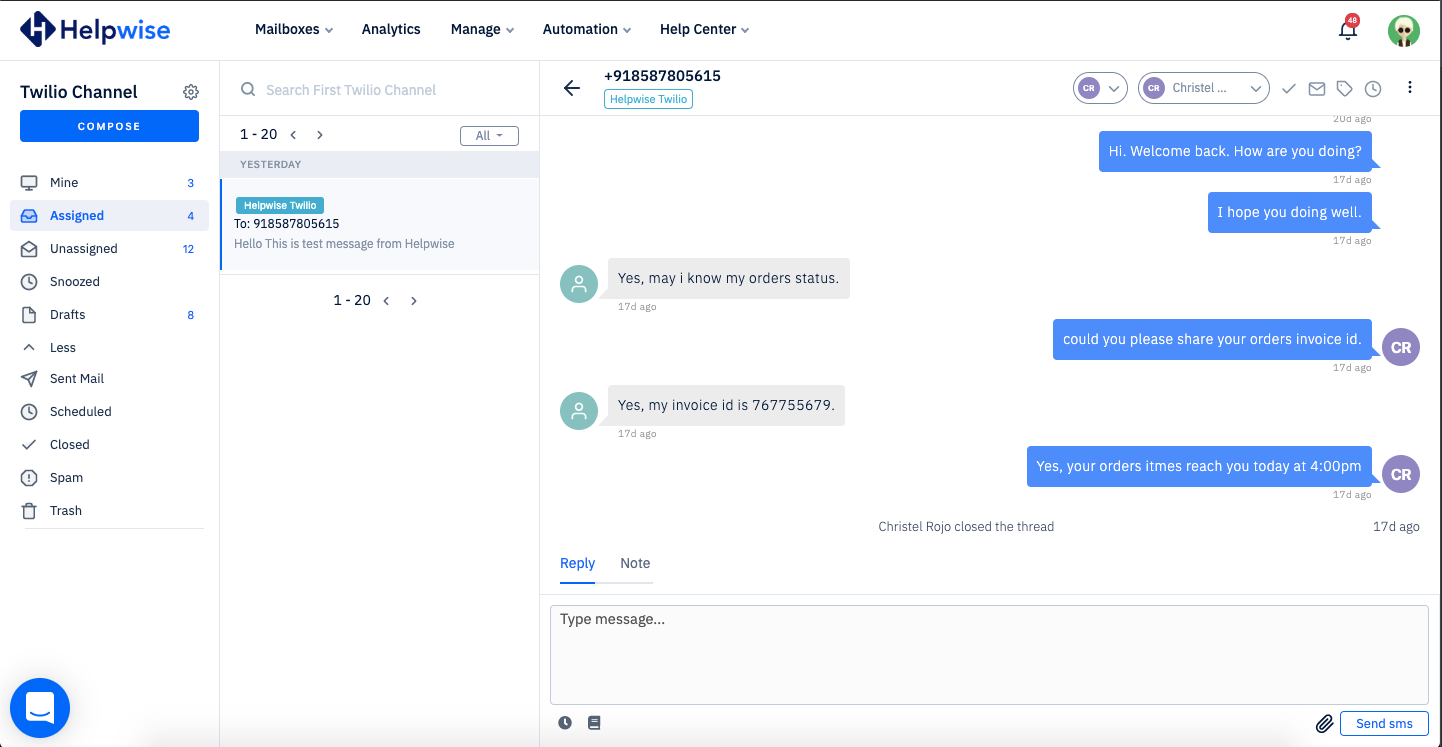
HelpWise AI automates inbox management, replies, tagging, and conversation workflows for growing e-commerce teams.
Best For
Small to mid-size online sellers transitioning to structured support.
Key Features
• AI reply suggestions
• Automated tagging
• Workflow triggers
• Shared inbox for teams
Use Cases
• Scaling startup support teams
• Organizing multi-agent operations
• Reducing manual sorting
Pricing
Tier-based pricing with optional AI add-ons.
Pros
• Easy-to-use interface
• Excellent for teams moving from email support
Cons
• Not as advanced as enterprise providers
Alternatives
• Help Scout
• Freshdesk AI
TOOL 21 — Chatfuel AI

Overview
Chatfuel AI helps automate customer conversations primarily on WhatsApp, Messenger, and Instagram.
Best For
D2C brands relying heavily on social media traffic.
Key Features
• WhatsApp automation
• IG & FB DM automation
• AI chat flows
• Broadcast campaigns
Use Cases
• Handling social DMs automatically
• Managing product queries
• Driving automated follow-ups
Pricing
Usage-based plans tied to messaging volume.
Pros
• Great for social-first brands
• Easy setup
Cons
• Limited advanced workflow logic
Alternatives
• ManyChat
• Tidio
TOOL 22 — ManyChat AI
Overview
ManyChat combines automation workflows with AI messaging across WhatsApp, Instagram, and Messenger.
Best For
Influencer-led brands, small D2C stores, and social commerce sellers.
Key Features
• Visual flow builder
• AI-powered replies
• Social commerce integrations
• Automated broadcasts
Use Cases
• Automating product inquiries
• Running DM flows during campaigns
• Managing WhatsApp queries
Pricing
Affordable plans depending on message volume.
Pros
• Excellent for marketing + support
• Intuitive UI
Cons
• Not suitable for large-scale helpdesk automation
Alternatives
• Chatfuel
• Crisp AI
TOOL 23 — Acquire.io
Overview
Acquire.io specializes in real-time support automation, including chat, video support, cobrowsing, and AI workflows.
Best For
Brands offering guided shopping or high-ticket support.
Key Features
• AI chat automation
• Video chat support
• Cobrowsing
• Workflow automation
Use Cases
• Helping customers troubleshoot issues
• Guiding buyers through complex purchases
• Reducing friction in real-time conversations
Pricing
Usage-based enterprise plans.
Pros
• Strong hybrid support model
• Ideal for complex products
Cons
• Requires trained agents for best results
Alternatives
• Intercom
• Kustomer
TOOL 24 — Sprinklr AI
Overview
Sprinklr AI unifies customer service across social media, messaging apps, email, and voice channels with enterprise-grade automation.
Best For
Large enterprises with global customer bases.
Key Features
• AI-led ticket routing
• Sentiment + intent detection
• Voice and chat automation
• Omnichannel analytics
Use Cases
• Managing massive support operations
• Centralizing global interactions
• Ensuring consistent brand experience
Pricing
Enterprise-level custom pricing.
Pros
• Most comprehensive omnichannel suite
• Extremely scalable
Cons
• Complex enterprise setup
Alternatives
• Salesforce Einstein
• Yellow.ai
TOOL 25 — Salesforce Einstein for Service
Overview
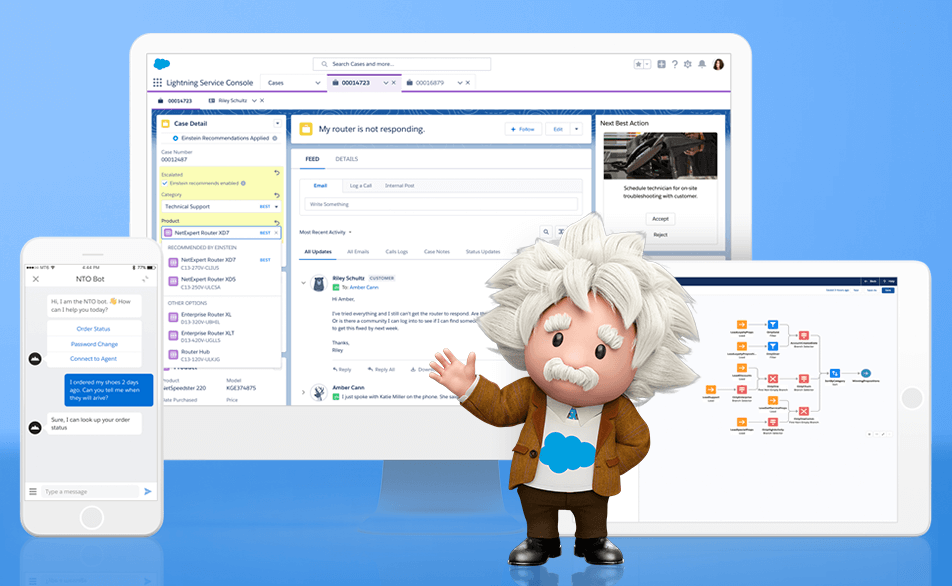
Einstein brings AI automation, predictive recommendations, and smart workflows into the Salesforce Service Cloud ecosystem.
Best For
Enterprise e-commerce brands using Salesforce.
Key Features
• AI-driven case classification
• Recommended replies
• Predictive routing
• Knowledge-based automation
Use Cases
• Eliminating manual triage
• Improving agent outcomes with AI guidance
• Scaling global support teams
Pricing
Add-on pricing for Salesforce Service Cloud customers.
Pros
• Deep Salesforce integration
• Highly accurate automation
Cons
• Only ideal for Salesforce users
Alternatives
• Sprinklr
• Kustomer
Final Verdict
AI customer support automation has become essential for e-commerce brands that want to scale without the burden of growing support teams. With rising expectations for speed, personalization, and accuracy, these tools help businesses automate up to 70–80% of conversations—including order tracking, returns, FAQs, payments, logistics, and more.
Best tools by business type:
• Small e-commerce stores: Tidio Lyro, Crisp AI, ManyChat, HelpWise AI
• Mid-sized brands: Gorgias, Re:amaze, Intercom Fin, Freshdesk AI
• Large/enterprise: Ada, Ultimate AI, Yellow.ai, Sprinklr, Salesforce Einstein
Most powerful overall:
• Ada
• Intercom Fin
• Zendesk AI
• Ultimate AI
• Salesforce Einstein
Best-value tools:
• Tidio Lyro
• Crisp AI
• Freshdesk AI
• HelpWise AI
Ultimately, the right automation stack depends on your business scale, communication channels, and customer journey complexity. The 25 tools included in this guide provide comprehensive coverage from small online stores to global enterprise operations.
FAQs
1. How does AI improve customer support for e-commerce?
AI automates repetitive queries, reduces response times, personalizes conversations, and frees human agents to focus on complex issues.
2. Can AI completely replace human support agents?
AI can automate most routine tasks but complex, emotional, or specialized issues still require human involvement.
3. Which channels can AI automate?
AI can automate chat, email, SMS, WhatsApp, Messenger, Instagram DMs, voice calls, and helpdesk tickets.
4. Do AI customer support tools require technical knowledge?
Some platforms are no-code and beginner-friendly, while developer-focused tools like Rasa and Botpress require technical skills.
5. What is the best AI tool for Shopify stores?
Gorgias, Re:amaze, and Tidio are the most optimized for Shopify e-commerce operations.

An AI researcher who spends time testing new tools, models, and emerging trends to see what actually works.

