

Best AI Tools for Cybersecurity

Cybersecurity has become one of the most important priorities for modern businesses. With threats like malware, ransomware, phishing, data breaches, cloud attacks, and insider risks growing every day, traditional security methods are no longer enough.
AI-powered cybersecurity tools provide stronger protection by detecting unusual behavior, blocking threats in real time, preventing data leaks, monitoring cloud systems, and automating incident response.
This guide covers the 10 best AI tools for cybersecurity, explaining what each tool does, how to use it, and why it is valuable for securing your digital environment.
1. CrowdStrike Falcon
CrowdStrike Falcon is one of the most advanced AI-powered endpoint protection platforms.
What This AI Tool Does
- Uses machine learning to detect malware, ransomware, and unknown threats.
- Monitors all endpoint activities in real time.
- Identifies suspicious files, processes, and user behaviors.
- Automatically blocks malicious actions.
How You Can Use It
- Install Falcon on desktops, laptops, servers, and cloud workloads.
- Monitor endpoints from a unified dashboard.
- Set automated responses to quarantine threats instantly.
- Track threat behavior and attack origins.
Why It’s Valuable
- Fast and lightweight protection.
- Great for preventing ransomware and advanced attacks.
- Strongest reputation in endpoint security.
2. Darktrace

Darktrace uses self-learning AI to identify abnormal patterns across your network.
What This AI Tool Does
- Learns the normal behavior of users, devices, and systems.
- Detects anomalies that may indicate cyberattacks.
- Protects email, network, cloud, and endpoints.
- Offers autonomous threat response.
How You Can Use It
- Deploy across your network infrastructure.
- Monitor unusual login attempts or data movements.
- Detect insider threats early.
- Use automated mitigation to slow or stop attacks.
Why It’s Valuable
- Excellent at detecting unknown and complex threats.
- Works well in dynamic and large environments.
3. SentinelOne Singularity
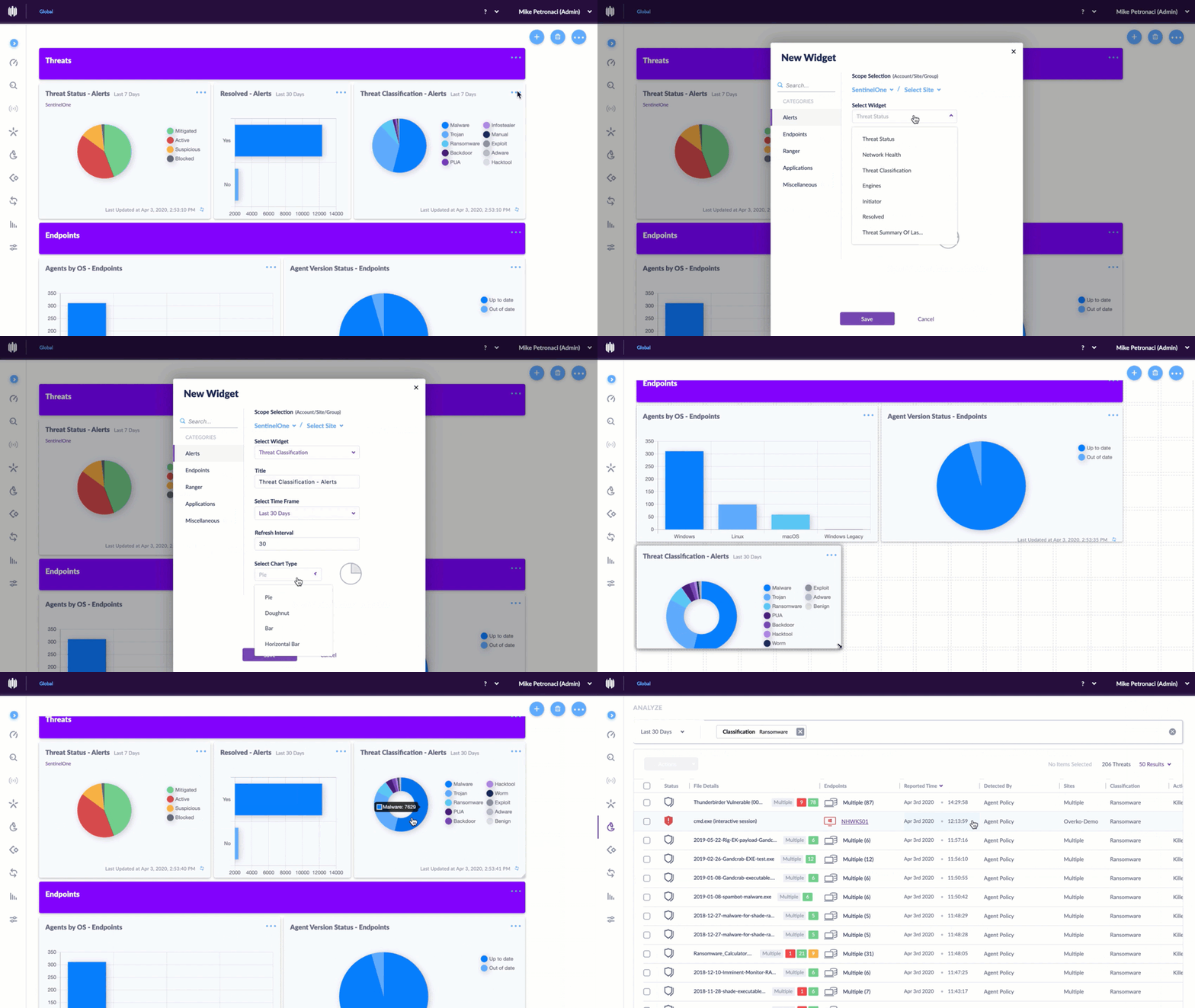
SentinelOne combines AI-driven endpoint protection with automated response.
What This AI Tool Does
- Detects malicious behavior instantly.
- Blocks and removes threats without human input.
- Provides forensic analysis and attack timelines.
- Protects endpoints, servers, containers, and cloud workloads.
How You Can Use It
- Deploy the agent on all devices.
- Use the dashboard to track active threats.
- Automate rollback after ransomware attacks.
- Monitor overall endpoint health.
Why It’s Valuable
- Very fast detection and automatic remediation.
- Ideal for companies needing strong endpoint defense.
4. Vectra AI
Vectra AI focuses on detecting attacker movement inside networks and cloud systems.
What This AI Tool Does
- Uses AI to find suspicious account behavior.
- Monitors lateral movement inside your network.
- Detects account takeovers and privilege abuse.
- Identifies hidden attackers trying to escalate access.
How You Can Use It
- Protect your internal network from advanced threats.
- Track abnormal user identity activities.
- Find compromised accounts before damage occurs.
- Monitor cloud apps, including Office 365 and AWS.
Why It’s Valuable
- Excellent for identity-based threat detection.
- Very strong for hybrid network protection.
5. Wiz Cloud Security
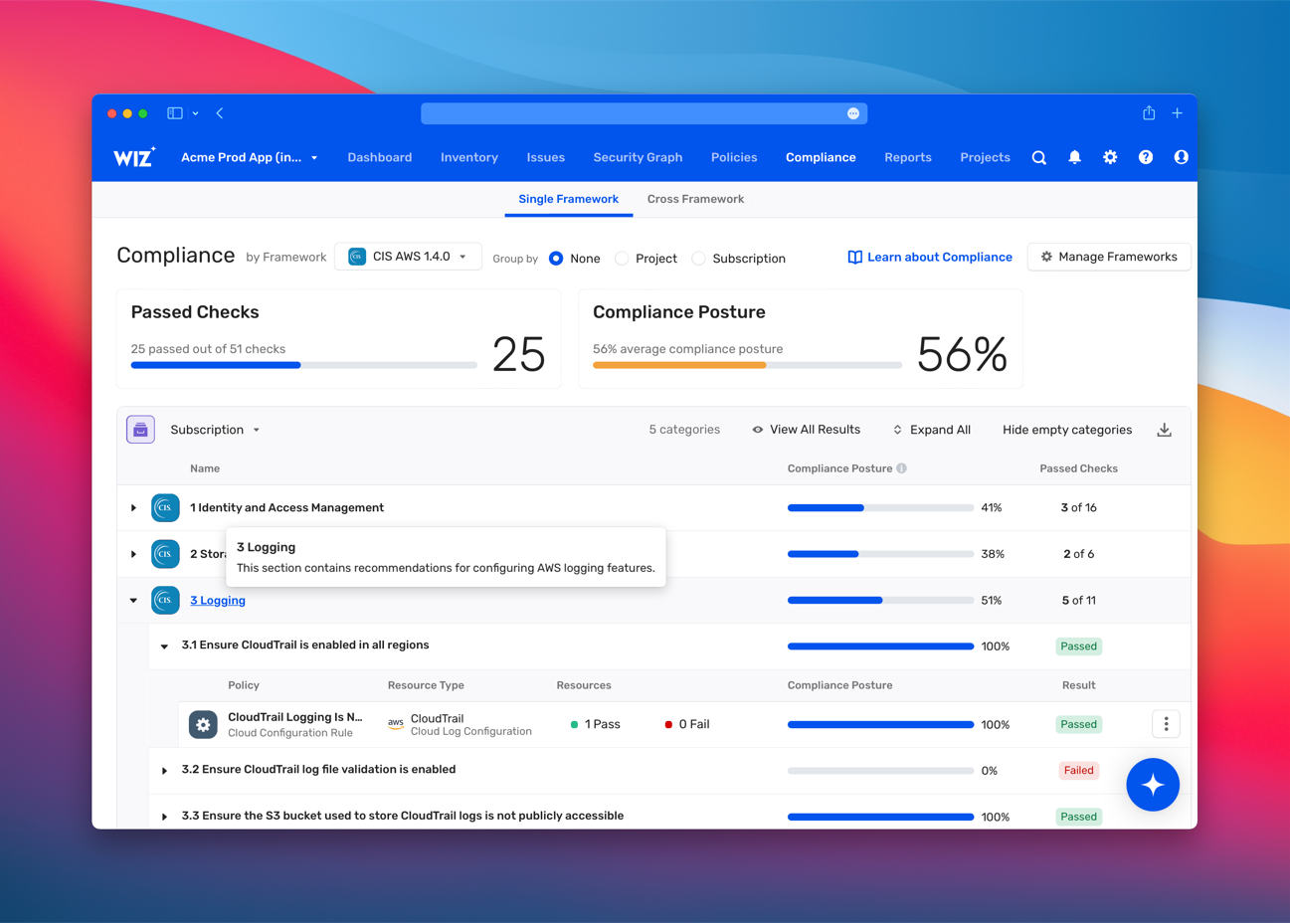
Wiz is one of the leading AI tools for cloud security posture management.
What This AI Tool Does
- Scans your cloud environment for vulnerabilities.
- Detects misconfigurations and weak identities.
- Highlights exposure paths attackers might exploit.
- Monitors cloud workloads continuously.
How You Can Use It
- Connect Wiz to AWS, Azure, or GCP.
- View all cloud risks in one dashboard.
- Fix high-risk misconfigurations quickly.
- Improve compliance and security posture.
Why It’s Valuable
- Best tool for complete cloud visibility.
- Prevents cloud-based breaches caused by configuration errors.
6. Cybereason
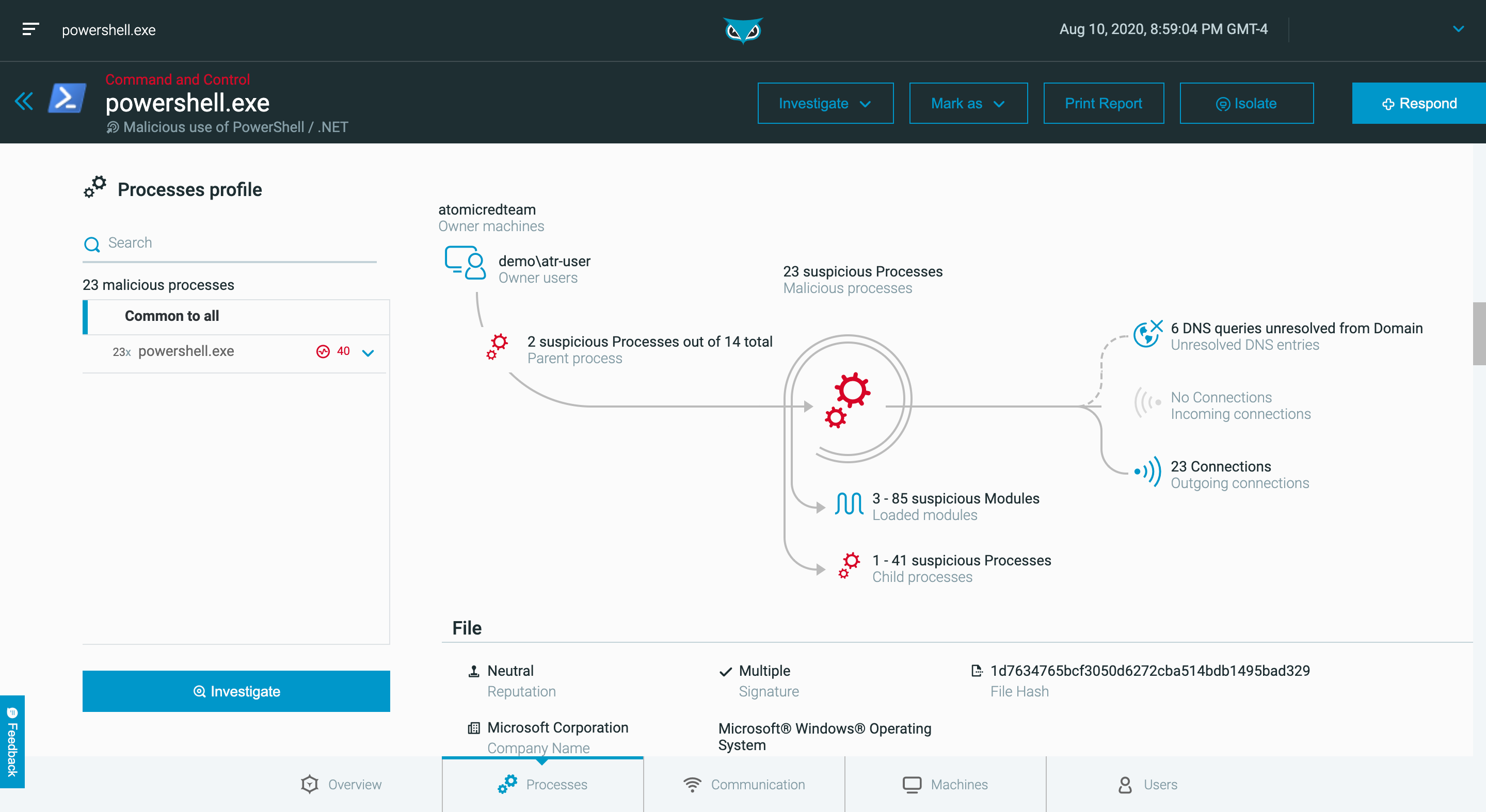

Cybereason specializes in detecting advanced threats and targeted attacks.
What This AI Tool Does
- Uses behavioral analytics to identify stealthy attackers.
- Detects insider threats, APTs, and ransomware campaigns.
- Automates investigation and mitigation.
- Shows a complete attack chain for every event.
How You Can Use It
- Protect endpoints, networks, and cloud workloads.
- Monitor suspicious user or system behavior.
- Stop multi-stage attacks early.
- Use automated responses to block attackers.
Why It’s Valuable
- Great for uncovering sophisticated, long-duration cyber threats.
7. Exabeam
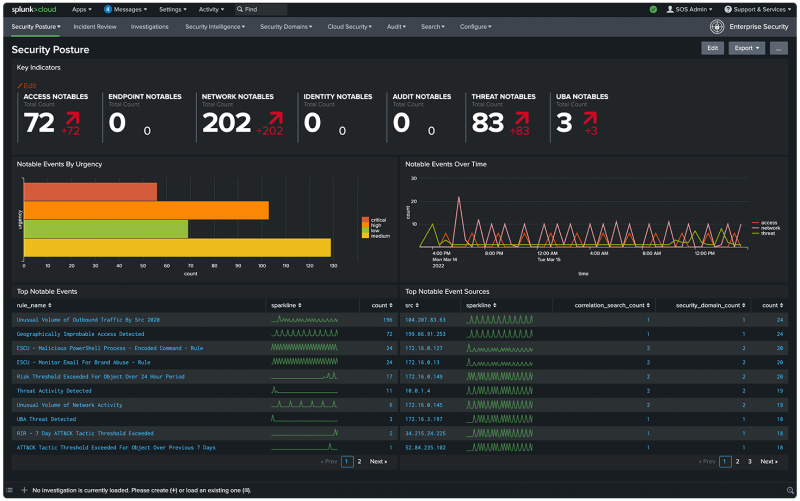
Exabeam is known for powerful user and entity behavior analytics (UEBA).
What This AI Tool Does
- Builds behavior profiles for every user and device.
- Detects unusual activities such as data theft, abnormal logins, and privilege misuse.
- Works alongside SIEM systems to improve detection accuracy.
- Automates incident investigation.
How You Can Use It
- Detect insider threats effectively.
- Analyze suspicious logins or file access.
- Reduce false alarms using behavioral scoring.
- Strengthen SOC workflows.
Why It’s Valuable
- Excellent for detecting internal risks and compromised accounts.
8. Rapid7 InsightIDR
Rapid7 InsightIDR is an AI-powered detection and response tool.
What This AI Tool Does
- Monitors endpoints, users, and cloud environments.
- Detects stolen credentials, lateral movement, and suspicious behavior.
- Provides log management and automation.
- Correlates data for better threat insights.
How You Can Use It
- Deploy across your entire IT infrastructure.
- Get real-time visibility into threats.
- Use automation to respond faster.
- Generate detailed security reports.
Why It’s Valuable
- Good all-in-one solution for SMBs and enterprises.
- Strengthens SOC performance through automation.
9. Varonis
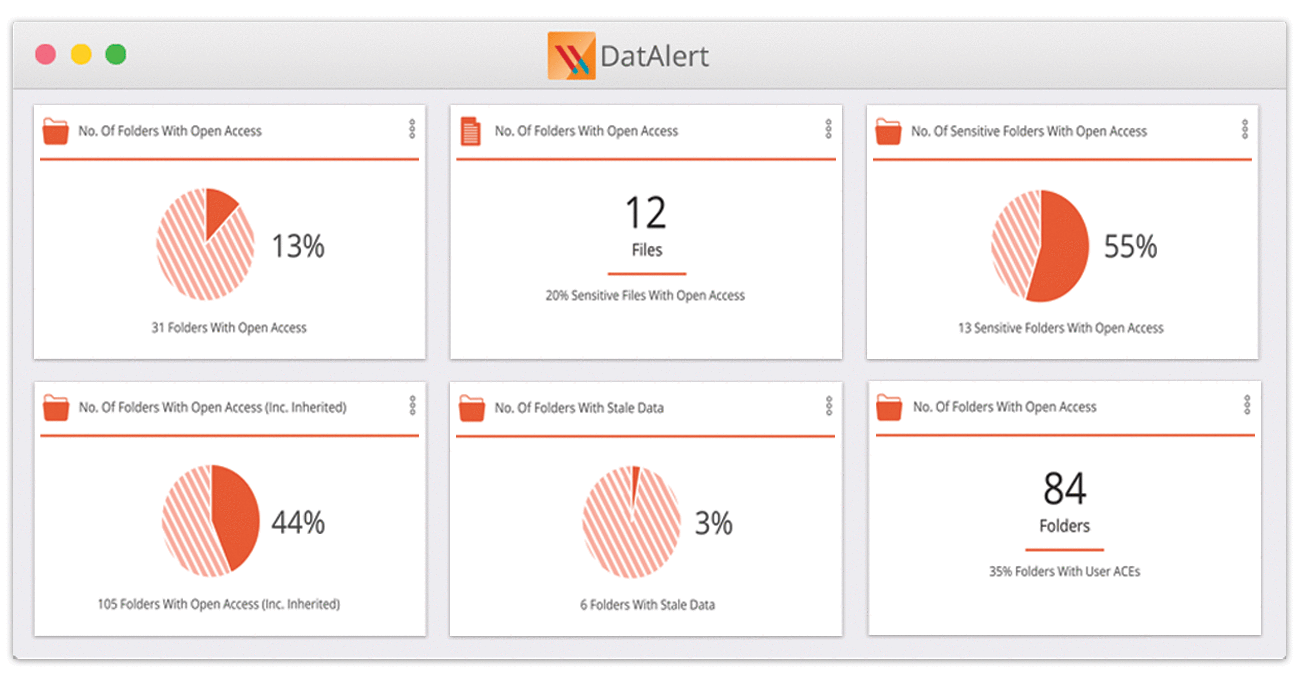
Varonis focuses on data security and insider threat prevention.
What This AI Tool Does
- Monitors file activity and sensitive data access.
- Detects unusual downloads, copies, or permission changes.
- Prevents data leaks across cloud and on-prem storage.
- Analyzes user behavior around confidential files.
How You Can Use It
- Protect confidential company data.
- Identify risky user behaviors early.
- Prevent data exfiltration attempts.
- Use automated alerts for suspicious activity.
Why It’s Valuable
- Critical for organizations with high data privacy needs.
10. Balbix
Balbix helps organizations assess and reduce overall cyber risk.
What This AI Tool Does
- Maps your entire attack surface.
- Identifies vulnerabilities and risky configurations.
- Prioritizes issues based on exploitability and impact.
- Provides automated security recommendations.
How You Can Use It
- Conduct continuous risk assessment.
- Fix high-risk vulnerabilities rapidly.
- Strengthen compliance and security posture.
- Understand your organization’s biggest exposure points.
Why It’s Valuable
- Ideal for companies managing large, complex infrastructures.
Conclusion
AI tools are reshaping cybersecurity by offering smarter, faster, and more accurate protection across endpoints, networks, cloud workloads, identities, and data environments.
The tools listed above give you complete coverage—whether you need endpoint protection, cloud security, threat detection, insider risk analysis, or automated incident response.
Using AI in your cybersecurity stack ensures stronger defense, quicker detection, lower risk, and higher operational efficiency.

An AI researcher who spends time testing new tools, models, and emerging trends to see what actually works.

